4 Ohm 5W Speaker 2 inch Square (SP0061) Products
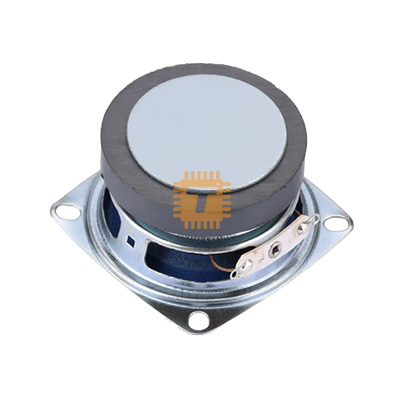
| Name | 4 Ohm 5W Speaker 2 inch Square |
| Code | SP0061 |
| Price | Rs.230.00 |
| In Stock | Yes |
| Package | SPK |
Product Details
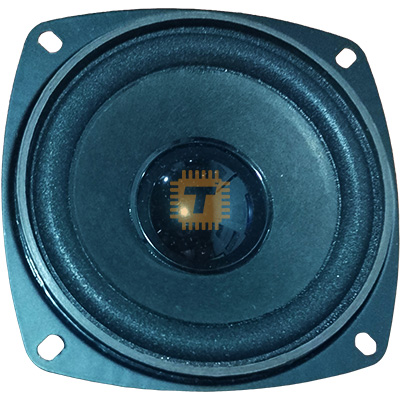
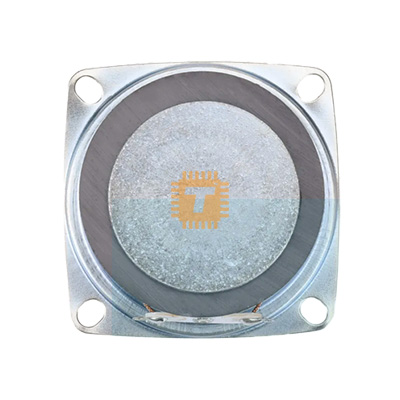
This 2-inch square micro speaker is a compact, full-range audio transducer engineered for low-power, high-efficiency acoustic applications. Combining a small physical footprint with a 4Ω impedance and 5W power rating, this pocket-sized speaker delivers clear vocal reproduction and crisp high frequencies, making it a staple component for hardware developers, DIY electronics hobbyists, and embedded system engineers.
Specification
- Frame Size: 2 inches x 2 inches (approx 50mm x 50mm)
- Nominal Impedance: 4Ω (Low electrical resistance, drawing more current from low-voltage amplifiers)
- Power Output Rating: 5 Watts (Continuous/RMS)
- Shape: Square frame with pre-drilled corner mounting holes
- Frequency Response: Full-Range (Optimized for mid-range speech and high frequencies; limited low-end bass response)
- Cone Material: Typically treated paper or composite polymer with a flexible foam or rubber surround
- Magnet Type: Ferrite or Neodymium structure
Features
- High Efficiency at Low Voltages: The 4Ω voice coil impedance allows the speaker to extract maximum power output out of compact, low-voltage battery-operated audio amplifiers (such as those running on 3.3V or 5V logic rails).
- Integrated Corner Mounting Flanges: The square metal or plastic frame features pre-stamped screw holes in all four corners, making it incredibly easy to bolt or rivet flush against custom project enclosures or chassis plates.
- Resilient Edge Surround: Built with a flexible rubber or foam suspension ring connecting the cone to the outer frame. This allows for deep cone excursions, ensuring clean acoustics and minimal audio distortion at high volumes.
- Lightweight Compact Footprint: With a depth of usually under 1 inch, this transducer can be integrated seamlessly into tight hand-held hardware designs without adding restrictive weight or bulk.
Common Applications
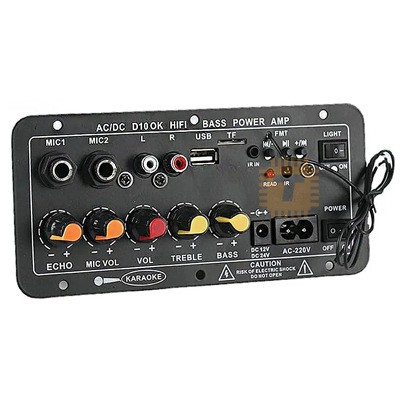
- DIY Bluetooth Speakers & Radios: Serving as the primary audio drivers in small, custom-built portable media players, boomboxes, and portable amplifiers.
- Arcade Cabinets & Gaming Consoles: Providing sound effects, chiptune music, and voice lines in retro bartop arcade builds and handheld emulators.
- Smart Home Devices & Intercoms: Integrated into smart mirrors, voice assistants, security system keypads, and door buzzer stations for clear audio prompts.
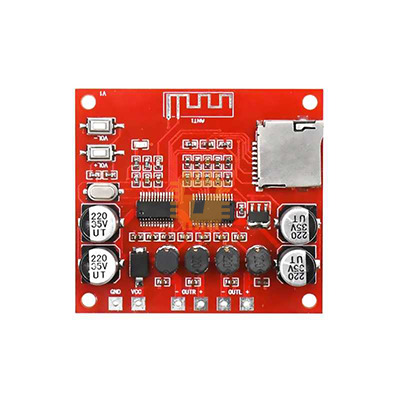
- Robotics & Embedded Audio Projects: Paired with Arduino, Raspberry Pi, or ESP32 development boards using simple audio modules (like the PAM8403 amplifier breakout) for voice notifications.
Professional Usage & Deployment Tips
- Always Deploy a Dedicated Enclosure (Speaker Box): Operating this speaker in "free air" without a cabinet will result in a hollow, whisper-thin sound completely lacking lower mid-range frequencies. Acoustic waves traveling off the back of the speaker cone will wrap around and cancel out the sound waves traveling off the front (known as phase cancellation). Mount the speaker inside a sealed or ported enclosure to isolate these sound waves and unlock richer sound.
- Match the Amplifier Capacity Appropriately: Pair this speaker with a mini amplifier circuit rated between 3W and 5W at 4Ω (e.g., the standard PAM8403 mini-board). Under-powering the speaker isn't harmful, but using an amplifier that pushes more than 5W continuously will overheat the small voice coil, leading to distorted audio scratching, structural warping, or total coil burnout.
- Avoid DC Current Bias: Never connect this speaker directly to a microcontroller’s digital output pin (like an Arduino PWM pin) to play complex audio waveforms. Microcontrollers output direct current (DC), which pushes the speaker cone into a fixed, locked position, causing the voice coil to overheat rapidly. Always pass the signal through an audio amplifier circuit or insert a decoupling capacitor inline to block DC bias, allowing only alternating current (AC) audio to pass through.
- Implement Soft Gasketing: When screwing the speaker plate down onto a hard plastic or wooden project box, place a thin layer of foam tape or a rubber washer gasket between the speaker rim and the enclosure wall. This fills minor surface gaps, creating an airtight seal and absorbing structural vibrations that would otherwise create annoying rattling noises at high volumes.
Sharing is caring, show love and share the product with your friends.
Featured

Add to Cart


Add to Cart