
ESP32 CAM Dev Board OV5640 5Megapixel Camera (MD1038) Products
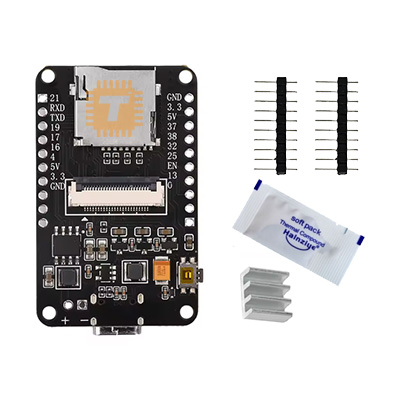
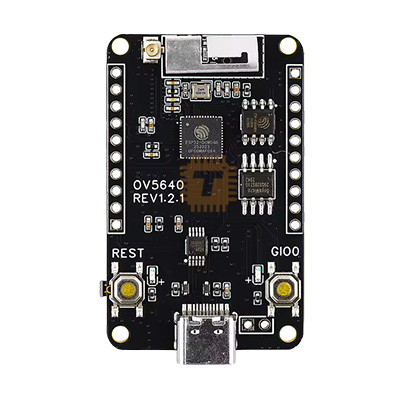
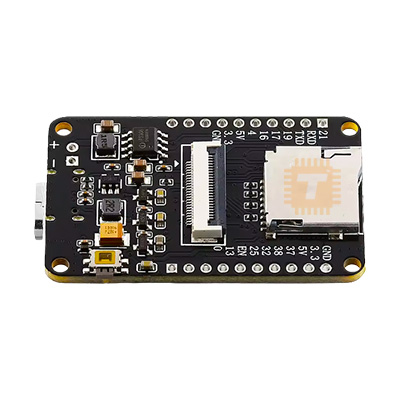
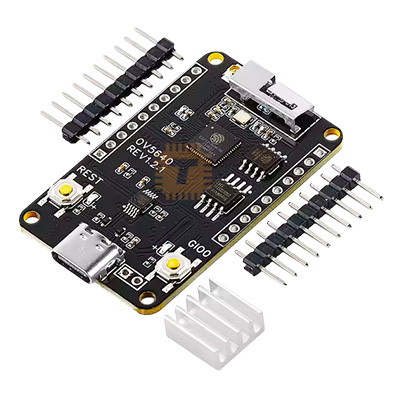
We are sorry but the product is out of stock, please check back after few days.
| Name | ESP32 CAM Dev Board OV5640 5Megapixel Camera |
| Code | MD1038 |
| Price | Rs.4,700.00 |
| In Stock | No |
| Package | MODULE |
Product Details
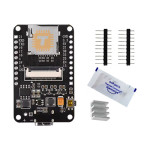
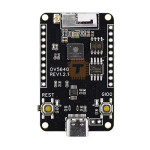
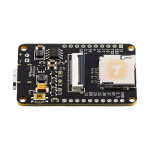
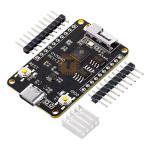
The ESP32-CAM OV5640 Development Board is an ultra-compact, high-performance edge AI vision platform that upgrades the classic ESP32-CAM architecture. By replacing the standard baseline 2MP (OV2640) sensor with a high-definition 5-Megapixel OV5640 camera, this board enables clear image capture and smooth video processing. Powered by a dual-core 32-bit Xtensa processor with built-in Wi-Fi and Bluetooth connectivity, it functions as a highly cost-effective, standalone wireless node for advanced image recognition, live streaming video, and localized Internet of Things (IoT) monitoring networks.
Specification
- Core Microcontroller: Xtensa dual-core 32-bit LX6 or LX7 processor running at up to 240 MHz
- Memory Architecture:
- Internal SRAM: 512 KB
- External PSRAM: 4 MB or 8 MB (Crucial for handling large 5MP frame buffers)
- Storage Expandability: MicroSD card slot onboard (supports up to 4 GB storage blocks)
- Camera Sensor Specifications:
- Image Sensor: OmniVision OV5640 (5.0 Megapixel CMOS matrix)
- Maximum Image Resolution: 2592 x 1944 pixels
- Output Video Formats: JPEG (Hardware compressed), YUV422/420, RGB565/555/444, RAW RGB
- Optics Configuration: Standard 65°C -72°C or 120°C wide-angle M12/DVP variants
- Wireless Transceiver Engine:
- Wi-Fi: 802.11 b/g/n (2.4 GHz)
- Bluetooth: BLE 4.2 or 5.0 with low-energy mesh modes
- Onboard Subsystems: Integrated high-brightness LED flash/illuminator + onboard Reset buttons
- Operating Voltage (VCC): 5.0V input via dedicated power pins or USB interface (board features internal 3.3V LDO regulation)
- Average Current Consumption: Approx 180mA base operational idle; up to 310 - 450mA peak during active flash firing and simultaneous Wi-Fi transmission packages
Features
- Advanced 5MP Resolution Upgrade: Captures images at a massive 2592 x 1944 footprint, offering more than double the pixel density of standard 2MP systems. This precision allows edge AI code to read small text, scan distant barcodes, and accurately analyze fine textures.
- Onboard Hardware JPEG Compression: The OV5640 sensor incorporates an internal hardware JPEG encoding engine. The camera compresses raw pixel data into lightweight JPEG strings before feeding it to the ESP32 chip, maximizing frame rates and minimizing memory overhead.
- Massive PSRAM Frame Buffering: Because a single uncompressed 5MP snapshot requires multiple megabytes of active RAM, this development board comes pre-integrated with external PSRAM. This allows it to buffer data streams smoothly without throwing "Out of Memory" hardware crash errors.
- Integrated Flash LED Illuminator: Built with a high-power, surface-mount white LED on the front faceplate. This serves as a functional camera flash or continuous fill light for stable night-time surveillance and indoor macro object sorting.
Common Applications
- Facial Recognition Security Checkpoints: Serving as a standalone smart lock node that captures faces, checks dimensions locally using TinyML models, and toggles access control relays.
- Barcode & QR Code Field Scanners: Employed inside retail warehouses and sorting equipment to parse logistics labels over wider viewing areas.
- High-Definition Time-Lapse Systems: Positioned out in agricultural settings or construction zones to log high-resolution progress photos directly onto an onboard MicroSD card.
- Industrial 3D Printer Monitor Feeds: Mounted on 3D printer enclosures to host an active localized web server video stream, allowing users to watch print jobs remotely and use AI software to detect spaghetti string failures.
Professional Programming & Usage Tips
- Ensure a Strong, Regulated 5V Power Supply: The ESP32 wireless radio combined with the high current demands of the 5MP camera and onboard flash LED can cause dramatic power draw spikes exceeding 450mA. If your power line sags below its threshold, the module will instantly brownout, trigger a boot loop, or disconnect from Wi-Fi. Always supply power through a stable 5V rail rated for at least 1.5A, and place a bulk decoupling capacitor across the power pins to smooth out voltage drops.
- Enable PSRAM and Select the Correct Camera Pinout: When setting up development environments like the Arduino IDE or PlatformIO, you must explicitly set PSRAM to "Enabled" in the tools config menu. Additionally, ensure your code's pin definition layout mirrors the specific motherboard brand (e.g., AI-Thinker pinout mapping). If the PSRAM configuration is omitted, your code will fail to compile or crash immediately when setting up resolutions larger than VGA.
- Keep DVP Ribbon Lines Shielded from Noise: The 24-pin DVP flexible flat ribbon cable that connects the camera to the board handles high-speed digital clocks. Do not run the ribbon cable directly across the ESP32's onboard PCB trace antenna or high-frequency switching lines. Doing so can bleed electromagnetic interference into the signal path, resulting in visible green line artifacts or corrupted image frames.
- Manage Thermal Dissipation: Operating the OV5640 sensor continuously at maximum 5MP resolution generates noticeable heat on both the ESP32 chip and the camera barrel. If mounting the unit inside a tight, enclosed chassis, attach a small aluminum heatsink to the ESP32 shield box and ensure the case includes adequate ventilation slits to prevent thermal throttling.
Sharing is caring, show love and share the product with your friends.
Featured


Add to Cart


Add to Cart
Other Products

Add to Cart
Add to Cart
