
Silicone Spacer Column Heat Resistant for 3D Printer Bed Leveling (MT0500) Products
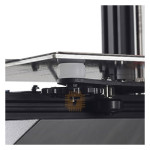
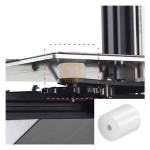
| Name | Silicone Spacer Column Heat Resistant for 3D Printer Bed Leveling |
| Code | MT0500 |
| Price | Rs.120.00 |
| In Stock | Yes |
Product Details
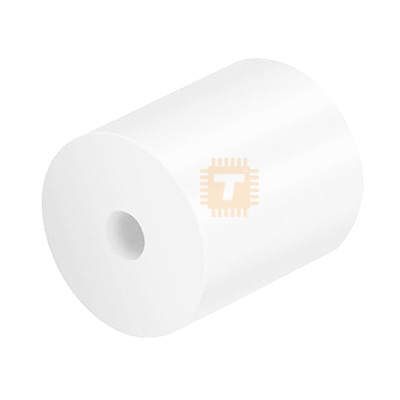
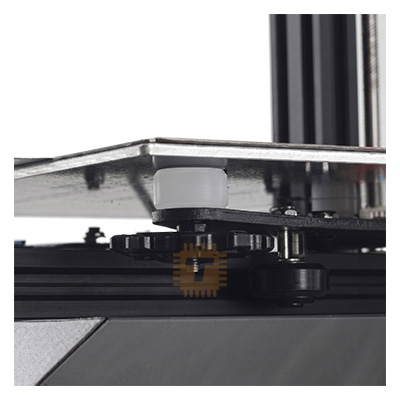
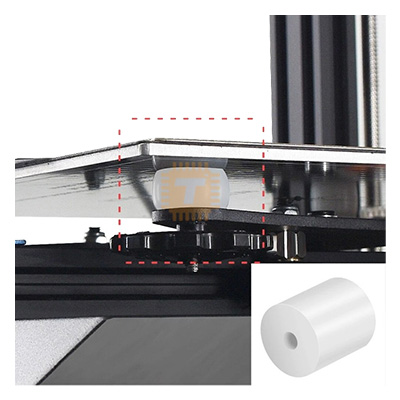
The Silicone Spacer Column Heat Resistant Kit for 3D Printer Bed Leveling is a high-stability, vibration-dampening bed mount replacement engineered to replace traditional steel leveling springs on desktop FDM 3D printers. Molded from high-grade, heat-resistant silicone elastomer, these solid buffers eliminate the flex, shifting, and loosening associated with standard coiled springs, providing a rock-solid, long-lasting bed leveling baseline and significantly reducing the need for frequent manual bed re-leveling.
Specification
- Product Type: Heat-Resistant Silicone Solid Bed Leveling Columns / Buffers
- Material: High-Density Thermal Silicone Elastomer
- Operating Temperature Resistance: Up to 200°C - 250°C continuous heat resistance
- Standard Set Configuration: 4-Piece Set (Typically 3 x Tall Columns + 1 x Short Column for bed strain relief clearance, or 4 x Equal Height Columns)
- Height Dimensions: Approx. 18mm (Tall / Standard) and 16mm (Short / Strain-Relief Corner)
- Outer Diameter (OD): Approx. 16mm
- Inner Bore Diameter (ID): Approx. 4.0mm (Compatible with standard M3 and M4 bed leveling screws)
- Color Profile: Industrial Solid Black / Brown / Orange
- Hardness / Elasticity: Firm Durometer Silicone (High structural support with controlled compression damping)
- Printer Compatibility: Direct replacement for Creality Ender-3 series (Ender 3, Pro, V2, Neo, Max), CR-10 series, Anycubic Kobra / Mega series, Elegoo Neptune series, Kingroon, Artillery, and most open-frame i3-style FDM printers using M3/M4 bed studs.
Features
- Superior Bed Leveling Retention: Replaces loose coiled springs with firm, semi-rigid silicone columns that resist compression creep and vibration fatigue, keeping the print bed precisely leveled over hundreds of print hours.
- High Thermal Stability: Formulated to withstand continuous heated bed temperatures up to 200°C+ without softening, melting, hardening, or degrading over long operational cycles.
- Effective Vibration Damping: The silicone matrix absorbs micro-vibrations and acceleration shocks from the moving Y-axis carriage, reducing ringing, ghosting artifacts, and surface ripple on printed models.
- Cable Strain Relief Accommodation: The standard 3-tall and 1-short column set includes a dedicated shorter column designed specifically to fit over the plastic heated bed cable strain relief bracket on Ender-3 and similar printers.
- Universal M3/M4 Fitment: Precision-molded 4mm center bore slides cleanly over standard M4 bed adjustment screws and thumb wheels, allowing a direct drop-in upgrade without modifying printer hardware.
Common Applications
- Spring-to-Solid Bed Conversion: Upgrading flimsy stock metal bed springs to achieve semi-permanent manual bed leveling stability.
- Auto-Bed Leveling (ABL) Optimization: Providing a consistent, non-drifting reference plane for CR Touch, BLTouch, and inductive auto-leveling probes, ensuring bed mesh data remains accurate across multiple print runs.
- High-Speed & CoreXY Conversions: Reducing gantry vibration resonance and bed bounce on high-acceleration, high-speed 3D printer setups.
Professional Installation and Maintenance Tips
- Identify the Short Column Position: Check your set before installing. If your printer has a plastic strain-relief bracket at the rear-left corner (where the heated bed power wires attach), install the single shorter (16mm) silicone column at that position to ensure all four corners sit at equal baseline height.
- Pre-Compress During Initial Leveling: When tightening the bed leveling hand knobs over the silicone columns, compress them down approximately one-third to one-half of their total travel. This pre-load provides the necessary tension to hold the adjustment knobs locked in place against vibration.
- Adjust Z-Endstop Switch if Necessary: Because silicone columns may have a slightly different uncompressed height than stock springs, adjust your physical Z-axis endstop switch height or reset your Z-offset calibration before homing the printer to prevent nozzle collisions with the build plate.
- Re-Level at Operating Bed Temperature: Always perform your final fine manual leveling and auto-bed mesh calibration while the heated bed is at its standard printing temperature (e.g., 60°C for PLA, 80°C+ for PETG) to account for minor thermal expansion.
Sharing is caring, show love and share the product with your friends.
Featured


Add to Cart

Add to Cart
Other Products
Add to Cart
