Solder Wire Lead Roll 60/40 0.6mm 200g High Quality (TA1828) Products
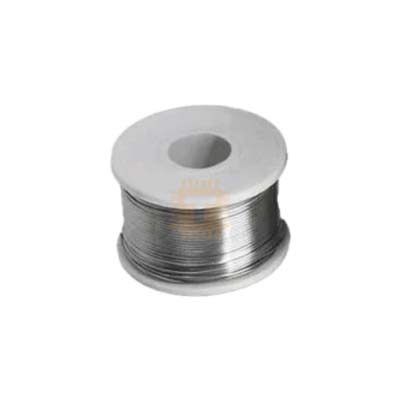
| Name | Solder Wire Lead Roll 60/40 0.6mm 200g High Quality |
| Code | TA1828 |
| Price | Rs.2,500.00 |
| In Stock | Yes |
| Package | SOLDER |
Product Details
The Solder Wire Lead Roll 60/40 0.6mm 200g High Quality (0.6mm Fine Gauge / 200g Spool) is a precision electrical soldering alloy specifically engineered for fine-pitch surface-mount (SMD/SMT) rework, dense PCB component assembly, micro-soldering, and delicate electronics repairs. Formulated with a classic 60% Tin (Sn) and 40% Lead (Pb) metallurgical ratio, it features a low melting range (183°C–190°C) with a very narrow plastic phase, allowing instant melting, rapid capillary action, and fast joint solidification. Containing an integrated, non-corrosive multi-channel rosin flux core (typically 1.8%–2.2%), its ultra-fine 0.6mm diameter prevents accidental solder bridging across closely spaced IC pins and enables precise volume dispensing for clean, mirror-bright solder fillets.
Specifications
- Alloy Composition: 60% Tin (Sn) / 40% Lead (Pb)
- Wire Diameter: 0.6 mm (±0.03 mm / Fine-Pitch Micro Gauge)
- Net Solder Weight: 200 g (Gross spool weight approx. 220 g to 235 g)
- Flux Type / Core: Continuous Integrated Rosin Activated (RA) / Mildly Activated (RMA) Core
- Flux Content / Percentage: 1.8% to 2.2% (By weight)
- Melting Temperature Range:
- Solidus: 183°C (361°F)
- Liquidus: 190°C (374°F)
- Recommended Iron Tip Temperature: 300°C to 340°C (572°F to 644°F)
- Density: Approx. 8.5 g/cm³
- Electrical Conductivity: Approx. 11.5% to 12% IACS
- Flux Residue Characteristics: Light amber, transparent, non-conductive, non-corrosive under normal indoor conditions
- Spool Dimensions: Approx. 55 mm Diameter × 50 mm to 55 mm Height
- Spool Hub Hole Diameter: Approx. 20 mm (Standard dispenser spindle size)
Features
- Ultra-Fine 0.6mm Diameter: Allows micro-metered solder feed without flooding small SMD pads, drastically minimizing the risk of solder bridges on fine-pitch IC pins (0.5mm–1.27mm pitch).
- Low Melting Point & Fast Flow: Melts smoothly at ~185°C to facilitate fast wetting and high capillary draw into tight micro-vias and component lead gaps with minimal thermal exposure.
- Continuous Rosin Flux Core: Built-in flux removes surface oxides instantly upon contact with heated copper, tin, and gold plating, eliminating the need for separate liquid flux on standard joints.
- High Mechanical & Electrical Integrity: Solidifies rapidly into shiny, concave, crack-resistant joints with low electrical contact resistance.
- Extended 200g Capacity: Provides a long continuous length of wire on a single spool, making it economical for frequent bench repairs, lab production, and prototyping.
Common Applications
- Surface Mount (SMD / SMT) Soldering & Rework: Hand-soldering QFP, SOIC, SSOP, SOT-23, and passive 0805/0603/0402 package components.
- Microcontroller & Sensor Prototyping: Soldering fine header pins on Arduino Nano, ESP32 modules, Raspberry Pi Pico, and high-density flight controllers.
- Smartphone, Drone & Wearable Repair: Precision track repairs, flex cable soldering, miniature audio jacks, and FPV drone micro-camera pads.
- Fine Wire Terminations: Tinning and terminating thin enamel/magnet wire, ribbon cables, and 26 AWG to 32 AWG jumper wires.
- Precision PCB Track Jumpering: Soldering micro-jumper bodge wires onto broken traces under microscope inspection.
Usage Tips
- Soldering Iron Temperature Setting: Set your precision iron or soldering station to 300°C–330°C. Because 0.6mm wire has very low thermal mass, excessive temperatures (>360°C) will instantly vaporize the flux before it can properly deoxidize the pad.
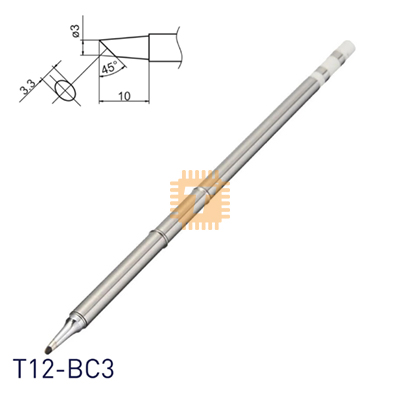
- Pair with Fine-Tip Geometry: Use conical (0.2mm–0.5mm), fine chisel, or micro-knife tips when feeding 0.6mm wire to ensure direct heat transfer without disturbing neighboring SMD components.
- Feeding Technique: Heat both the pad and the component lead simultaneously with the tip for under a second, then gently touch the 0.6mm solder wire directly to the joint junction to allow capillary action to pull just the right amount of solder into place.
- Flux Residue Cleaning: The rosin residue is electrically non-conductive, but for high-impedance, RF, or visually clean PCB finishes, remove any amber flux spots using Isopropyl Alcohol (IPA ≥ 99%) and a soft ESD brush or cotton swab.
- Safety Guidelines:
- Always operate in a well-ventilated workstation or use an active carbon/HEPA fume extractor to pull rosin fumes away from your breathing zone.
- Contains lead; wash hands thoroughly with soap and water after use and never store solder next to food or beverages.
Sharing is caring, show love and share the product with your friends.
Featured

Add to Cart