Plastic 8.27x11.69mm White Acrylic 2mm (A4 Size) (OP0194) Products
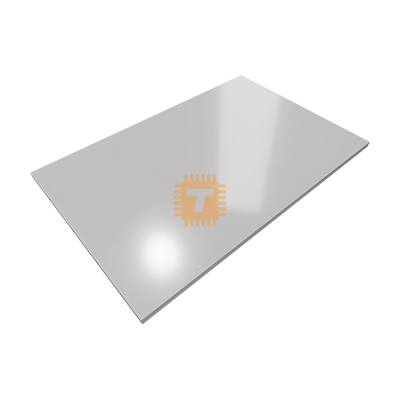
| Name | Plastic 8.27x11.69mm White Acrylic 2mm (A4 Size) |
| Code | OP0194 |
| Price | Rs.1,050.00 |
| In Stock | Yes |
| Package | Material |
Product Details
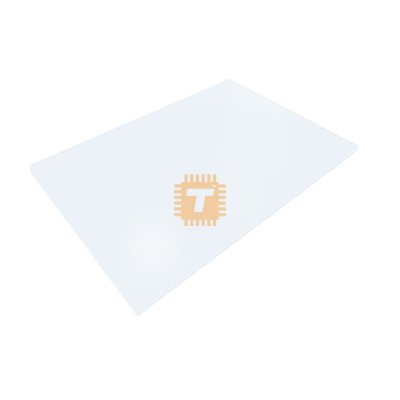
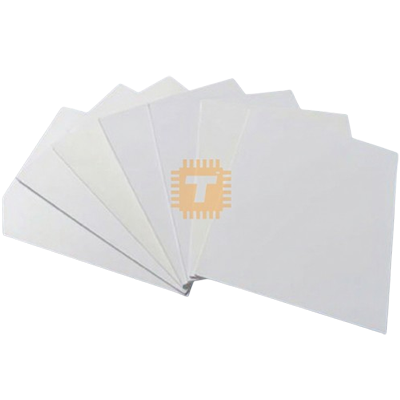
The Plastic 8.27x11.69mm White Acrylic 2mm (A4 Size) is a precision-cut polymethyl methacrylate (PMMA / Plexiglass) rigid sheet engineered for laser cutting, CNC routing, electronic project enclosures, faceplates, backlighting diffusers, and architectural prototyping. Sized to standard international A4 dimensions (210 mm × 297 mm / approx. 8.27 × 11.69 inches) with a slim 2.0 mm thickness, this sheet offers high mechanical rigidity, impact resistance, and weatherability while remaining significantly lighter than traditional mineral glass. Featuring a clean, opaque-to-semi-translucent gloss white finish, it provides uniform light diffusion and smooth edge finishes when cut, making it an ideal fabrication material for maker workshops, signage, scale modeling, and custom hardware assemblies.
Specifications
- Material Type: Cast / Extruded Polymethyl Methacrylate (PMMA / Acrylic / Plexiglass)
- Sheet Size / Standard Footprint: Standard A4 Size (210 mm × 297 mm / approx. 8.27 × 11.69 Inches)
- Nominal Thickness: 2.0 mm (±0.2 mm manufacturing tolerance)
- Color / Finish: Pure Gloss White (Smooth, non-porous dual-sided surface finish)
- Light Transmittance: Semi-Opaque / Diffusive (Allows soft, uniform backlight diffusion without revealing discrete LED hotspots)
- Tensile Strength: ≥ 65 MPa to 75 MPa
- Flexural Modulus: Approx. 3000 MPa to 3300 MPa
- Density: Approx. 1.18 g/cm³ to 1.19 g/cm³ (Less than half the weight of standard glass)
- Impact Resistance: Approx. 6 to 10 times higher than ordinary float glass
- Heat Deflection Temperature (HDT): Approx. 85°C to 100°C (Thermal softening point ≈ 105°C)
- Continuous Working Temperature: -40°C to +80°C
- Surface Protection: Dual-sided protective peel-off kraft paper or PE film masking
- Machining Compatibility: CO2 laser cutting/engraving, CNC milling, fine-tooth bandsaw, scroll saw, score-and-snap hand scoring, drilling, and thermal strip bending
- Net Weight: Approx. 145 g to 155 g per A4 sheet
Features
- Clean Laser Cutting & Polished Edges: Vaporizes cleanly under standard CO2 laser cutters with virtually no charring, leaving smooth, flame-polished edge profiles that eliminate manual deburring.
- Superior Light Diffusion: Ideal for edge-lit signage and LED panel backlighting, dispersing concentrated LED point-light sources into a soft, uniform, glare-free luminous plane.
- High Mechanical Rigidity & Durability: Resists cracking, warping, and ambient weather degradation, providing long-term structural stability for instrument enclosures and desktop front panels.
- Thermoplastic Malleability: Readily softens along localized heated lines (approx. 140°C to 160°C) on a strip heater or with a heat gun, allowing precise clean 90° bends for custom desk stands and display brackets.
- Dual-Side Protective Film: Shipped with durable peel-off masking on both faces to prevent surface abrasions, scuffs, and fingerprints during layout marking, handling, and machine cutting.
Common Applications
- Electronics Project Enclosures: Laser-cutting custom top plates, side panels, and mounting bases for DIY microcontrollers (Arduino, Raspberry Pi), amplifiers, and power supplies.
- Illuminated Signage & Lightboxes: Backlit commercial lettering, illuminated emergency indicators, and dynamic LED lightboxes.
- Faceplates & Control Consoles: Custom front panels with precision cutouts for LCD/OLED screens, toggle switches, potentiometers, and terminal ports.
- Robotics Chassis & Structural Plates: Lightweight, rigid platform bases, motor mount plates, and sensor brackets for small mobile robot kits.
- Architectural & Scale Modeling: Prototyping structural facades, miniature partitions, hobby displays, and precision craft fixtures.
Usage Tips
- Protective Film Retention During Cutting (CRITICAL):
- Leave the protective paper/PE masking film in place during laser cutting, CNC routing, or drilling.
- For laser cutting, the film prevents smoke residue, soot, and vaporized condensates from depositing onto the glossy white acrylic face. Peel the film off only after all cutting and drilling operations are complete.
- Drilling Best Practices:
- Standard metal twist drill bits tend to grab and crack brittle 2mm acrylic sheet as they break through the bottom side.
- Use a modified acrylic bit (ground with a 60° included angle and negative rake) or standard bits run at moderate speeds with light downward pressure. Always place a scrap piece of solid wood beneath the sheet to support the bottom surface during drilling.
- Score-and-Snap Manual Cutting: For straight cuts without power tools, clamp a metal straightedge firmly along the cut line, score deeply (approx. 1/3 of the sheet thickness) using a specialized acrylic scoring blade or utility knife, then place the score line over a sharp table edge and apply quick, even downward pressure to snap cleanly.
- Bonding & Adhesives: Avoid using standard cyanoacrylate superglues, which can cause white blooming/hazing around the joint. For strong, optically clean seams, use solvent-based acrylic cements (e.g., methylene chloride / acrylic bonding solvent), which chemically weld the mating edges together.
- Cleaning & Surface Maintenance: Never clean acrylic with alcohol, acetone, lacquer thinner, or ammonia-based glass cleaners, as these chemical solvents cause immediate surface hazing, micro-crazing, and stress cracking. Clean exclusively using lukewarm soapy water or specialized anti-static plastic polish with a soft microfiber cloth.
Sharing is caring, show love and share the product with your friends.
Featured

Add to Cart

Add to Cart