CJ-150 Desoldering Pump Sucker (TA1884) Products
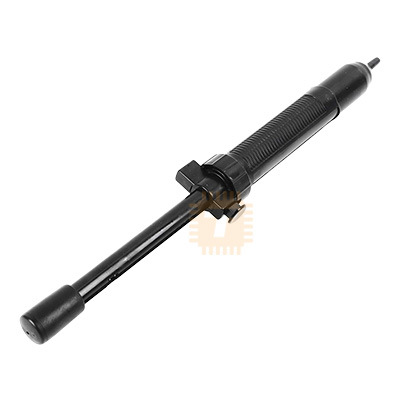
| Name | CJ-150 Desoldering Pump Sucker |
| Code | TA1884 |
| Price | Rs.500.00 |
| In Stock | Yes |
| Package | DEPUMP |
Product Details
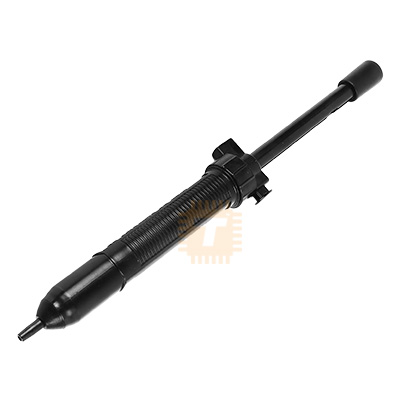
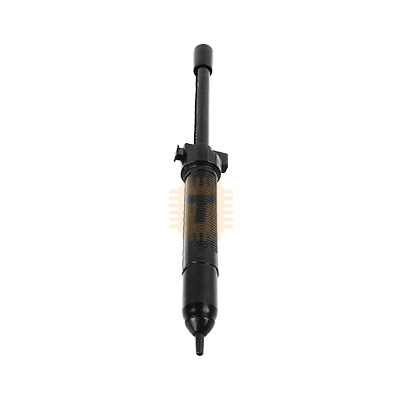
The CJ-150 Desoldering Pump Sucker is an essential manual desoldering and rework tool engineered for rapid, clean extraction of molten solder from plated through-hole (PTH) joints, printed circuit boards (PCBs), terminal pins, and discrete electronic components. Featuring a precision-machined lightweight aluminum alloy cylinder, a high-tension steel coil spring, and an airtight internal piston plunger, it generates powerful instantaneous negative suction vacuum to pull melted solder cleanly in a single stroke. Equipped with a heat-resistant, anti-static PTFE (Teflon) suction nozzle, the CJ-150 prevents thermal damage to delicate component leads and copper pads while withstanding direct contact with soldering iron tips up to 350°C.
Specifications
- Brand / Model: CJ-150 (Heavy-Duty Manual Desoldering Sucker Series)
- Tool Type: Handheld Piston-Driven High-Vacuum Desoldering Pump / Solder Sucker
- Operation Mode: Manual Spring-Loaded Mechanical Plunger with Instantaneous Push-Button Release
- Suction Pressure / Vacuum Rating: ≥ 30 cm-Hg to 35 cm-Hg (Approx. 40 kPa to 47 kPa Instant Peak Vacuum)
- Barrel / Housing Material: Anodized Aerospace-Grade Aluminum Alloy (Corrosion-Resistant, Lightweight Finish)
- Nozzle Material: High-Grade Anti-Static Heat-Resistant PTFE (Polytetrafluoroethylene / Teflon)
- Nozzle Temperature Tolerance: Continuous contact up to 300°C; short-term thermal peak up to 350°C
- Nozzle Dimensions:
- Nozzle Tip Inner Diameter (ID): Approx. 2.5 mm to 3.0 mm (Optimized for standard PTH pins)
- Nozzle Tip Outer Diameter (OD): Approx. 5.5 mm (Tapered profile for tight component clearance)
- Internal Piston Mechanism: High-Elasticity Tempered Steel Spring with Dual Self-Lubricating Rubber O-Rings
- Electrostatic Discharge (ESD) Protection: Anti-static nozzle composition minimizes ESD risk to sensitive ICs
- Disassembly / Serviceability: Threaded screw-off front barrel and removable rear cap for tool-free cleaning
- Overall Length (Extended / Primed): Approx. 190 mm (7.48 Inches)
- Overall Length (Compressed / Released): Approx. 210 mm (8.27 Inches)
- Barrel Outer Diameter: Approx. 20 mm (0.79 Inches / Ergonomic knurled grip surface)
- Net Tool Weight: Approx. 45 g to 60 g
Features
- Instantaneous High-Velocity Suction: Heavy-duty internal spring mechanism drives the piston back in milliseconds, generating strong negative suction that clears plated through-holes without leaving stubborn solder bridges.
- Heat-Resistant Replaceable PTFE Tip: Durable Teflon tip withstands direct, repeated contact with hot soldering iron tips without deforming, melting, or bonding to molten solder.
- Rugged Aluminum Cylinder Body: Precision-extruded metal body resists mechanical impact, workshop drops, and thermal fatigue, providing far greater durability than plastic solder suckers.
- Non-Slip Knurled Grip & One-Handed Operation: Ergonomically balanced cylinder with knurled grip banding allows technicians to cock the plunger, hold the iron, and trigger the vacuum release button using a single hand.
- Simple Tool-Free Maintenance: The front nozzle collar and rear cap unscrew easily by hand, allowing rapid dumping of accumulated solder slag, O-ring inspection, and silicone re-greasing.
Common Applications
- Through-Hole Component Desoldering: Cleanly extracting multi-pin DIP ICs, relays, electrolytic capacitors, and power transistors from single and double-sided PCBs.
- PCB Repair & Rework: Clearing clogged through-holes, eyelets, and via holes to prepare pads for new component insertion.
- Solder Bridge Removal: Quickly vacuuming excess solder bridges, accidental shorts, and oversized solder joints across dense connector headers.
- Educational Laboratories & Maker Workshops: Everyday bench tool for student electronics labs, DIY electronics prototyping, and audio amplifier restoration.
- Field Service & Maintenance: Compact, battery-free desoldering solution for field service technicians repairing industrial control boards, inverters, and power supplies.
Usage Tips
- Four-Step Extraction Technique (CRITICAL):
- Step 1: Push the plunger shaft down until it clicks into the locked, cocked position.
- Step 2: Apply a freshly tinned soldering iron tip (320°C–350°C) to the target solder joint until the old solder liquefies completely into a molten pool (approx. 2 to 3 seconds).
- Step 3: Bring the PTFE nozzle tip directly over the joint at a slight 80°–90° angle, encircling the component lead and touching the molten pool while keeping the iron in contact.
- Step 4: Immediately press the release button to trigger the vacuum, then withdraw both the tool and the soldering iron simultaneously.
- Add Fresh Solder to Old Joints: When desoldering stubborn or oxidized lead-free factory solder, add a small amount of fresh rosin-core 60/40 or 63/37 solder to the joint first. The active flux and fresh lead content dramatically lower the melting point and improve thermal transfer, allowing a clean, one-shot suction.
- Nozzle Care & Tip Sealing: Press the flexible PTFE tip flat against the PCB surface around the lead to establish a tight perimeter seal. A loose seal allows ambient air to bypass the joint, drastically reducing effective vacuum force.
- Routine Cleaning & Emptying:
- Never allow solder debris to fill more than 1/3 of the lower barrel. Periodically unscrew the front cap and tap out the collected solder pellets into a waste bin.
- A clogged barrel restricts airflow and reduces vacuum suction power.
- Piston O-Ring Lubrication: If the plunger begins to feel stiff or suction power decreases, unscrew the rear assembly and apply a tiny drop of high-temperature silicone grease or mineral oil to the rubber piston O-ring to restore an airtight seal. Do not use petroleum jelly or WD-40, which degrade rubber O-rings over time.
Sharing is caring, show love and share the product with your friends.
Featured


Add to Cart