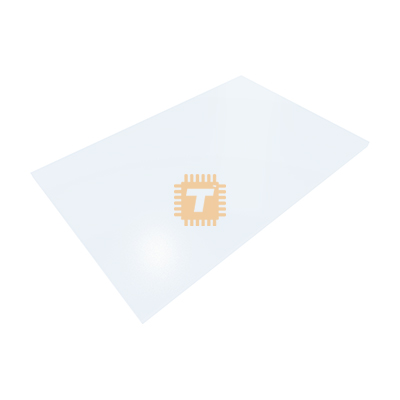
Plastic 8.27x11.69mm Clear Acrylic 2mm (A4 Size) (OP0200) Products
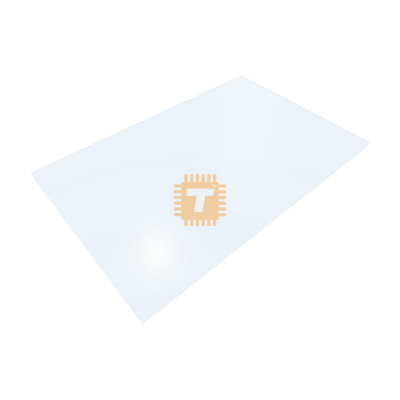
| Name | Plastic 8.27x11.69mm Clear Acrylic 2mm (A4 Size) |
| Code | OP0200 |
| Price | Rs.1,050.00 |
| In Stock | Yes |
| Package | Material |
Product Details
The Plastic 8.27x11.69mm Clear Acrylic 2mm (A4 Size) is an optical-grade polymethyl methacrylate (PMMA / Plexiglass) clear rigid sheet engineered for high-precision laser cutting, CNC milling, electronic project enclosures, protective display covers, and precision prototyping. Sized to standard international A4 dimensions (210 mm × 297 mm / approx. 8.27 × 11.69 inches) with a slim 2.0 mm gauge thickness, it delivers crystal-clear optical transparency with up to 92% visible light transmission, exceeding the clarity of standard mineral glass while weighing less than half. With high tensile strength, UV stability, and excellent weatherability, this sheet is an essential material for transparent faceplates, dust covers, robotic chassis plates, and scale architectural models.
Specifications
- Material Type: Cast / Extruded Polymethyl Methacrylate (PMMA / Acrylic / Plexiglass)
- Sheet Size / Standard Footprint: Standard A4 Size (210 mm × 297 mm / approx. 8.27 × 11.69 Inches)
- Nominal Thickness: 2.0 mm (±0.2 mm manufacturing gauge tolerance)
- Color / Optical Grade: Crystal Clear / Fully Transparent
- Surface Texture: Dual-Sided High-Gloss Optically Smooth Finish
- Light Transmittance: ≥ 92% Visible Light Transmission (VLT)
- Refractive Index: Approx. 1.49
- Tensile Strength: ≥ 68 MPa to 76 MPa
- Flexural Modulus: Approx. 3000 MPa to 3300 MPa
- Density: Approx. 1.18 g/cm³ to 1.19 g/cm³
- Impact Resistance: Approx. 6 to 10 times higher than standard float glass
- Heat Deflection Temperature (HDT): Approx. 85°C to 100°C (Softening point ~105°C)
- Continuous Working Service Temperature: -40°C to +80°C
- Surface Masking: Dual-sided protective peel-off kraft paper or clear polyethylene (PE) film
- Fabrication Compatibility: CO2 laser cutters/engravers, CNC routers, table saws, scroll saws, scoring blades, and localized thermal line heaters
- Net Weight: Approx. 145 g to 155 g per sheet
Features
- Superior Optical Clarity: Features a crystal-clear 92% light transmittance rating that rivals optical glass, ensuring distortion-free visibility for display readouts, meters, and internal mechanics.
- Flame-Polished Laser Edge Finish: Vaporizes cleanly under focused CO2 laser cutting beams with zero burring or chipping, producing ultra-smooth, optically clear flame-polished edges right out of the machine bed.
- Lightweight & Impact-Resistant: Provides substantial shatter resistance compared to conventional glass, protecting internal electronic hardware from physical impact without adding significant weight.
- Thermoplastic Malleability: Readily softens along narrow heated bands (approx. 140°C to 160°C) using a strip heater or heat gun, allowing precise, clean 90° bends for custom desktop bezels, angled meter housings, and display stands.
- Dual-Sided Protective Masking: Covered on both surfaces with heavy-duty peel-off film or kraft paper to safeguard against scratches, dust, fingerprints, and tooling marks during machining and transit.
Common Applications
- Electronic Instrument Enclosures: Transparent top panels, observation covers, and custom chassis shells for Arduino, Raspberry Pi, DIY audio amplifiers, and power supply units.
- Display Faceplates & Bezels: Protective scratch-resistant windows for LCD, OLED, TFT, and 7-segment digital displays on custom instrumentation panels.
- Robotics Chassis Plates: Stiff, lightweight bottom baseplates and multi-tier decks for educational mobile robot kits, allowing internal gearing and wiring to remain visible.
- Protective Machine Guards: Miniature safety shields, dust barriers, and transparent splash guards for desktop CNC routers, 3D printers, and benchtop equipment.
- Architectural & Scale Models: Clear glazing for miniature scale buildings, exhibition display cases, modern architectural mockups, and hobby dioramas.
Usage Tips
- Protective Film Retention (CRITICAL):
- Keep the protective paper or PE film in place during all laser cutting, CNC routing, and drilling operations.
- The masking prevents vaporized resins, exhaust smoke condensates, and machine table scratches from marring the optical-grade clear surface. Peel off the film only after all machining, edge deburring, and drilling steps are completed.
- CO2 Laser Cutting Parameters:
- For a standard 40W to 60W CO2 laser, cut at moderate travel speeds with continuous air assist (10 to 15 psi). Air assist extinguishes flare-ups and clears vaporized gases from the kerf, ensuring clean, melted-glass edges without thermal stress cracking.
- When raster engraving graphics, invert settings as needed and engrave on the reverse side to create a protected, smooth front-facing finish.
- Drilling Recommendations: Use specialized plastic drill bits (with a 60° to 90° tip and zero-to-negative rake) or lightly dull the cutting lips of standard twist drills. Always clamp a scrap piece of solid wood or MDF beneath the sheet to support the bottom face and prevent breakout cracking as the bit exits.
- Solvent Welding Protocol: Standard cyanoacrylate (superglue) off-gasses during curing, causing unsightly milky white blooming across clear surfaces. Use water-thin acrylic solvent cement (methylene chloride base) with a precision needle applicator; capillary action draws the solvent into the seam to create an optically clear, chemically fused joint.
- Cleaning & Maintenance Precautions: Never wipe acrylic with rubbing alcohol, acetone, lacquer thinner, or ammonia-based glass sprays. These chemical solvents attack the polymer chains, causing immediate micro-crazing, stress fractures, and surface hazing. Clean exclusively with lukewarm water, mild liquid dish soap, and a clean microfiber towel.
The Plastic 8.27x11.69mm Clear Acrylic 2mm (A4 Size) is an optical-grade polymethyl methacrylate (PMMA / Plexiglass) clear rigid sheet engineered for high-precision laser cutting, CNC milling, electronic project enclosures, protective display covers, and precision prototyping. Sized to standard international A4 dimensions (210 mm × 297 mm / approx. 8.27 × 11.69 inches) with a slim 2.0 mm gauge thickness, it delivers crystal-clear optical transparency with up to 92% visible light transmission, exceeding the clarity of standard mineral glass while weighing less than half. With high tensile strength, UV stability, and excellent weatherability, this sheet is an essential material for transparent faceplates, dust covers, robotic chassis plates, and scale architectural models.
Specifications
- Material Type: Cast / Extruded Polymethyl Methacrylate (PMMA / Acrylic / Plexiglass)
- Sheet Size / Standard Footprint: Standard A4 Size (210 mm × 297 mm / approx. 8.27 × 11.69 Inches)
- Nominal Thickness: 2.0 mm (±0.2 mm manufacturing gauge tolerance)
- Color / Optical Grade: Crystal Clear / Fully Transparent
- Surface Texture: Dual-Sided High-Gloss Optically Smooth Finish
- Light Transmittance: ≥ 92% Visible Light Transmission (VLT)
- Refractive Index: Approx. 1.49
- Tensile Strength: ≥ 68 MPa to 76 MPa
- Flexural Modulus: Approx. 3000 MPa to 3300 MPa
- Density: Approx. 1.18 g/cm³ to 1.19 g/cm³
- Impact Resistance: Approx. 6 to 10 times higher than standard float glass
- Heat Deflection Temperature (HDT): Approx. 85°C to 100°C (Softening point ~105°C)
- Continuous Working Service Temperature: -40°C to +80°C
- Surface Masking: Dual-sided protective peel-off kraft paper or clear polyethylene (PE) film
- Fabrication Compatibility: CO2 laser cutters/engravers, CNC routers, table saws, scroll saws, scoring blades, and localized thermal line heaters
- Net Weight: Approx. 145 g to 155 g per sheet
Features
- Superior Optical Clarity: Features a crystal-clear 92% light transmittance rating that rivals optical glass, ensuring distortion-free visibility for display readouts, meters, and internal mechanics.
- Flame-Polished Laser Edge Finish: Vaporizes cleanly under focused CO2 laser cutting beams with zero burring or chipping, producing ultra-smooth, optically clear flame-polished edges right out of the machine bed.
- Lightweight & Impact-Resistant: Provides substantial shatter resistance compared to conventional glass, protecting internal electronic hardware from physical impact without adding significant weight.
- Thermoplastic Malleability: Readily softens along narrow heated bands (approx. 140°C to 160°C) using a strip heater or heat gun, allowing precise, clean 90° bends for custom desktop bezels, angled meter housings, and display stands.
- Dual-Sided Protective Masking: Covered on both surfaces with heavy-duty peel-off film or kraft paper to safeguard against scratches, dust, fingerprints, and tooling marks during machining and transit.
Common Applications
- Electronic Instrument Enclosures: Transparent top panels, observation covers, and custom chassis shells for Arduino, Raspberry Pi, DIY audio amplifiers, and power supply units.
- Display Faceplates & Bezels: Protective scratch-resistant windows for LCD, OLED, TFT, and 7-segment digital displays on custom instrumentation panels.
- Robotics Chassis Plates: Stiff, lightweight bottom baseplates and multi-tier decks for educational mobile robot kits, allowing internal gearing and wiring to remain visible.
- Protective Machine Guards: Miniature safety shields, dust barriers, and transparent splash guards for desktop CNC routers, 3D printers, and benchtop equipment.
- Architectural & Scale Models: Clear glazing for miniature scale buildings, exhibition display cases, modern architectural mockups, and hobby dioramas.
Usage Tips
- Protective Film Retention (CRITICAL):
- Keep the protective paper or PE film in place during all laser cutting, CNC routing, and drilling operations.
- The masking prevents vaporized resins, exhaust smoke condensates, and machine table scratches from marring the optical-grade clear surface. Peel off the film only after all machining, edge deburring, and drilling steps are completed.
- CO2 Laser Cutting Parameters:
- For a standard 40W to 60W CO2 laser, cut at moderate travel speeds with continuous air assist (10 to 15 psi). Air assist extinguishes flare-ups and clears vaporized gases from the kerf, ensuring clean, melted-glass edges without thermal stress cracking.
- When raster engraving graphics, invert settings as needed and engrave on the reverse side to create a protected, smooth front-facing finish.
- Drilling Recommendations: Use specialized plastic drill bits (with a 60° to 90° tip and zero-to-negative rake) or lightly dull the cutting lips of standard twist drills. Always clamp a scrap piece of solid wood or MDF beneath the sheet to support the bottom face and prevent breakout cracking as the bit exits.
- Solvent Welding Protocol: Standard cyanoacrylate (superglue) off-gasses during curing, causing unsightly milky white blooming across clear surfaces. Use water-thin acrylic solvent cement (methylene chloride base) with a precision needle applicator; capillary action draws the solvent into the seam to create an optically clear, chemically fused joint.
- Cleaning & Maintenance Precautions: Never wipe acrylic with rubbing alcohol, acetone, lacquer thinner, or ammonia-based glass sprays. These chemical solvents attack the polymer chains, causing immediate micro-crazing, stress fractures, and surface hazing. Clean exclusively with lukewarm water, mild liquid dish soap, and a clean microfiber towel.
The Plastic 8.27x11.69mm Clear Acrylic 2mm (A4 Size) is an optical-grade polymethyl methacrylate (PMMA / Plexiglass) clear rigid sheet engineered for high-precision laser cutting, CNC milling, electronic project enclosures, protective display covers, and precision prototyping. Sized to standard international A4 dimensions (210 mm × 297 mm / approx. 8.27 × 11.69 inches) with a slim 2.0 mm gauge thickness, it delivers crystal-clear optical transparency with up to 92% visible light transmission, exceeding the clarity of standard mineral glass while weighing less than half. With high tensile strength, UV stability, and excellent weatherability, this sheet is an essential material for transparent faceplates, dust covers, robotic chassis plates, and scale architectural models.
Specifications
- Material Type: Cast / Extruded Polymethyl Methacrylate (PMMA / Acrylic / Plexiglass)
- Sheet Size / Standard Footprint: Standard A4 Size (210 mm × 297 mm / approx. 8.27 × 11.69 Inches)
- Nominal Thickness: 2.0 mm (±0.2 mm manufacturing gauge tolerance)
- Color / Optical Grade: Crystal Clear / Fully Transparent
- Surface Texture: Dual-Sided High-Gloss Optically Smooth Finish
- Light Transmittance: ≥ 92% Visible Light Transmission (VLT)
- Refractive Index: Approx. 1.49
- Tensile Strength: ≥ 68 MPa to 76 MPa
- Flexural Modulus: Approx. 3000 MPa to 3300 MPa
- Density: Approx. 1.18 g/cm³ to 1.19 g/cm³
- Impact Resistance: Approx. 6 to 10 times higher than standard float glass
- Heat Deflection Temperature (HDT): Approx. 85°C to 100°C (Softening point ~105°C)
- Continuous Working Service Temperature: -40°C to +80°C
- Surface Masking: Dual-sided protective peel-off kraft paper or clear polyethylene (PE) film
- Fabrication Compatibility: CO2 laser cutters/engravers, CNC routers, table saws, scroll saws, scoring blades, and localized thermal line heaters
- Net Weight: Approx. 145 g to 155 g per sheet
Features
- Superior Optical Clarity: Features a crystal-clear 92% light transmittance rating that rivals optical glass, ensuring distortion-free visibility for display readouts, meters, and internal mechanics.
- Flame-Polished Laser Edge Finish: Vaporizes cleanly under focused CO2 laser cutting beams with zero burring or chipping, producing ultra-smooth, optically clear flame-polished edges right out of the machine bed.
- Lightweight & Impact-Resistant: Provides substantial shatter resistance compared to conventional glass, protecting internal electronic hardware from physical impact without adding significant weight.
- Thermoplastic Malleability: Readily softens along narrow heated bands (approx. 140°C to 160°C) using a strip heater or heat gun, allowing precise, clean 90° bends for custom desktop bezels, angled meter housings, and display stands.
- Dual-Sided Protective Masking: Covered on both surfaces with heavy-duty peel-off film or kraft paper to safeguard against scratches, dust, fingerprints, and tooling marks during machining and transit.
Common Applications
- Electronic Instrument Enclosures: Transparent top panels, observation covers, and custom chassis shells for Arduino, Raspberry Pi, DIY audio amplifiers, and power supply units.
- Display Faceplates & Bezels: Protective scratch-resistant windows for LCD, OLED, TFT, and 7-segment digital displays on custom instrumentation panels.
- Robotics Chassis Plates: Stiff, lightweight bottom baseplates and multi-tier decks for educational mobile robot kits, allowing internal gearing and wiring to remain visible.
- Protective Machine Guards: Miniature safety shields, dust barriers, and transparent splash guards for desktop CNC routers, 3D printers, and benchtop equipment.
- Architectural & Scale Models: Clear glazing for miniature scale buildings, exhibition display cases, modern architectural mockups, and hobby dioramas.
Usage Tips
- Protective Film Retention (CRITICAL):
- Keep the protective paper or PE film in place during all laser cutting, CNC routing, and drilling operations.
- The masking prevents vaporized resins, exhaust smoke condensates, and machine table scratches from marring the optical-grade clear surface. Peel off the film only after all machining, edge deburring, and drilling steps are completed.
- CO2 Laser Cutting Parameters:
- For a standard 40W to 60W CO2 laser, cut at moderate travel speeds with continuous air assist (10 to 15 psi). Air assist extinguishes flare-ups and clears vaporized gases from the kerf, ensuring clean, melted-glass edges without thermal stress cracking.
- When raster engraving graphics, invert settings as needed and engrave on the reverse side to create a protected, smooth front-facing finish.
- Drilling Recommendations: Use specialized plastic drill bits (with a 60° to 90° tip and zero-to-negative rake) or lightly dull the cutting lips of standard twist drills. Always clamp a scrap piece of solid wood or MDF beneath the sheet to support the bottom face and prevent breakout cracking as the bit exits.
- Solvent Welding Protocol: Standard cyanoacrylate (superglue) off-gasses during curing, causing unsightly milky white blooming across clear surfaces. Use water-thin acrylic solvent cement (methylene chloride base) with a precision needle applicator; capillary action draws the solvent into the seam to create an optically clear, chemically fused joint.
- Cleaning & Maintenance Precautions: Never wipe acrylic with rubbing alcohol, acetone, lacquer thinner, or ammonia-based glass sprays. These chemical solvents attack the polymer chains, causing immediate micro-crazing, stress fractures, and surface hazing. Clean exclusively with lukewarm water, mild liquid dish soap, and a clean microfiber towel.
The Plastic 8.27x11.69mm Clear Acrylic 2mm (A4 Size) is an optical-grade polymethyl methacrylate (PMMA / Plexiglass) clear rigid sheet engineered for high-precision laser cutting, CNC milling, electronic project enclosures, protective display covers, and precision prototyping. Sized to standard international A4 dimensions (210 mm × 297 mm / approx. 8.27 × 11.69 inches) with a slim 2.0 mm gauge thickness, it delivers crystal-clear optical transparency with up to 92% visible light transmission, exceeding the clarity of standard mineral glass while weighing less than half. With high tensile strength, UV stability, and excellent weatherability, this sheet is an essential material for transparent faceplates, dust covers, robotic chassis plates, and scale architectural models.
Specifications
- Material Type: Cast / Extruded Polymethyl Methacrylate (PMMA / Acrylic / Plexiglass)
- Sheet Size / Standard Footprint: Standard A4 Size (210 mm × 297 mm / approx. 8.27 × 11.69 Inches)
- Nominal Thickness: 2.0 mm (±0.2 mm manufacturing gauge tolerance)
- Color / Optical Grade: Crystal Clear / Fully Transparent
- Surface Texture: Dual-Sided High-Gloss Optically Smooth Finish
- Light Transmittance: ≥ 92% Visible Light Transmission (VLT)
- Refractive Index: Approx. 1.49
- Tensile Strength: ≥ 68 MPa to 76 MPa
- Flexural Modulus: Approx. 3000 MPa to 3300 MPa
- Density: Approx. 1.18 g/cm³ to 1.19 g/cm³
- Impact Resistance: Approx. 6 to 10 times higher than standard float glass
- Heat Deflection Temperature (HDT): Approx. 85°C to 100°C (Softening point ~105°C)
- Continuous Working Service Temperature: -40°C to +80°C
- Surface Masking: Dual-sided protective peel-off kraft paper or clear polyethylene (PE) film
- Fabrication Compatibility: CO2 laser cutters/engravers, CNC routers, table saws, scroll saws, scoring blades, and localized thermal line heaters
- Net Weight: Approx. 145 g to 155 g per sheet
Features
- Superior Optical Clarity: Features a crystal-clear 92% light transmittance rating that rivals optical glass, ensuring distortion-free visibility for display readouts, meters, and internal mechanics.
- Flame-Polished Laser Edge Finish: Vaporizes cleanly under focused CO2 laser cutting beams with zero burring or chipping, producing ultra-smooth, optically clear flame-polished edges right out of the machine bed.
- Lightweight & Impact-Resistant: Provides substantial shatter resistance compared to conventional glass, protecting internal electronic hardware from physical impact without adding significant weight.
- Thermoplastic Malleability: Readily softens along narrow heated bands (approx. 140°C to 160°C) using a strip heater or heat gun, allowing precise, clean 90° bends for custom desktop bezels, angled meter housings, and display stands.
- Dual-Sided Protective Masking: Covered on both surfaces with heavy-duty peel-off film or kraft paper to safeguard against scratches, dust, fingerprints, and tooling marks during machining and transit.
Common Applications
- Electronic Instrument Enclosures: Transparent top panels, observation covers, and custom chassis shells for Arduino, Raspberry Pi, DIY audio amplifiers, and power supply units.
- Display Faceplates & Bezels: Protective scratch-resistant windows for LCD, OLED, TFT, and 7-segment digital displays on custom instrumentation panels.
- Robotics Chassis Plates: Stiff, lightweight bottom baseplates and multi-tier decks for educational mobile robot kits, allowing internal gearing and wiring to remain visible.
- Protective Machine Guards: Miniature safety shields, dust barriers, and transparent splash guards for desktop CNC routers, 3D printers, and benchtop equipment.
- Architectural & Scale Models: Clear glazing for miniature scale buildings, exhibition display cases, modern architectural mockups, and hobby dioramas.
Usage Tips
- Protective Film Retention (CRITICAL):
- Keep the protective paper or PE film in place during all laser cutting, CNC routing, and drilling operations.
- The masking prevents vaporized resins, exhaust smoke condensates, and machine table scratches from marring the optical-grade clear surface. Peel off the film only after all machining, edge deburring, and drilling steps are completed.
- CO2 Laser Cutting Parameters:
- For a standard 40W to 60W CO2 laser, cut at moderate travel speeds with continuous air assist (10 to 15 psi). Air assist extinguishes flare-ups and clears vaporized gases from the kerf, ensuring clean, melted-glass edges without thermal stress cracking.
- When raster engraving graphics, invert settings as needed and engrave on the reverse side to create a protected, smooth front-facing finish.
- Drilling Recommendations: Use specialized plastic drill bits (with a 60° to 90° tip and zero-to-negative rake) or lightly dull the cutting lips of standard twist drills. Always clamp a scrap piece of solid wood or MDF beneath the sheet to support the bottom face and prevent breakout cracking as the bit exits.
- Solvent Welding Protocol: Standard cyanoacrylate (superglue) off-gasses during curing, causing unsightly milky white blooming across clear surfaces. Use water-thin acrylic solvent cement (methylene chloride base) with a precision needle applicator; capillary action draws the solvent into the seam to create an optically clear, chemically fused joint.
- Cleaning & Maintenance Precautions: Never wipe acrylic with rubbing alcohol, acetone, lacquer thinner, or ammonia-based glass sprays. These chemical solvents attack the polymer chains, causing immediate micro-crazing, stress fractures, and surface hazing. Clean exclusively with lukewarm water, mild liquid dish soap, and a clean microfiber towel.
Sharing is caring, show love and share the product with your friends.
Featured


Add to Cart